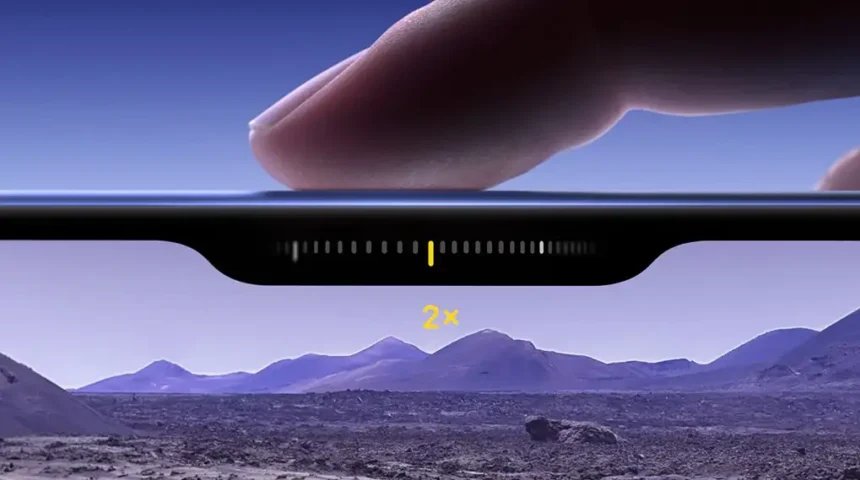
Apple made a big deal out of Camera Control when it launched the iPhone 16 lineup. It was a new hardware‑plus‑software control on the frame—press to open the camera, click to shoot, hold for video, and even slide a finger to adjust things like zoom, exposure, or depth of field. Apple showed it off in demos and tutorials, and yes, it wasn’t officially called a “button.” It was meant to feel like a real shutter with haptic feedback and a high‑precision force sensor, plus touch for swipes and fine control. That’s straight from Apple’s launch materials and how‑to guides, not hearsay.
A fresh claim from China says Apple plans to ditch Camera Control after the iPhone 17 series. The rumor argues that “almost no one uses it,” and that Apple has told suppliers it won’t order the component for iPhone 18. The claim surfaced online this week, but every report pointing to it labels the source as unverified and with no proven track record. In other words, take it easy—this isn’t coming from a known analyst or a reliable leaker with a strong history.
What the Rumor Says About iPhone Camera Control
- A Weibo tipster alleges Apple told suppliers it won’t buy the Camera Control component anymore, implying removal on iPhone 18 in 2026.
- The same storyline says iPhone 17, due this year, would be the final generation to include it.
- Importantly, reporting around this claim flags the source as dubious and lacking a track record, so there’s no solid proof behind it yet.
What Apple has officially said about Camera Control
Apple positioned Camera Control as a thoughtful blend of hardware and software for quicker shooting and better composition. It lets users launch the Camera app, capture photos or videos, and adjust controls like zoom and exposure with presses and slides. Apple has also highlighted how the control can tie into visual intelligence features and third‑party apps, which shows it was designed to be more than a simple shutter switch.
Reality check: Is Apple likely to drop it so soon?
There’s no official word from Apple suggesting Camera Control is going away. The current chatter is built on a single, unverified Weibo post being amplified by tech sites—and even those write‑ups caution readers about the rumor’s credibility. Until multiple reliable sources corroborate it, or Apple signals a change in design direction, this sits firmly in the “interesting, but not confirmed” bucket.
Why people are divided on Camera Control
Early user sentiment has been mixed, which is normal for any new hardware control. Some folks love a tactile shutter‑style input for quick shots and one‑handed framing; others ignore it and stick with on‑screen controls. That split has been noted in community coverage. But again, mixed reactions don’t equal confirmed discontinuation—especially not based on a single sketchy claim.
The bigger iPhone 17 picture
Separate rumors about iPhone 17 focus on camera upgrades, new layouts, and front camera improvements—not on removing Camera Control. Outlets tracking iPhone 17 developments point to ongoing photography changes and potential pro‑leaning features, but they haven’t backed the claim that Camera Control is being axed next year. That contrast matters: plenty of leaks talk about camera advances, yet the “drop Camera Control” story lacks the same level of corroboration.
Long story short
- Camera Control is real, official, and works as Apple described: press, click, hold, and slide for granular camera tweaks, with haptic feedback to mimic a shutter feel.
- A new rumor says Apple plans to remove it on iPhone 18 due to low usage, but the source is unverified and flagged as questionable by outlets covering it. So treat it as unconfirmed chatter for now, not settled fact.
- Until credible analysts or Apple say otherwise, assume Camera Control stays for iPhone 17—and keep an eye on how Apple evolves it in software and third‑party apps.
If Camera Control does exit down the line, it would likely be because Apple thinks software gestures or new AI‑assisted framing make it redundant. If it stays, expect Apple to keep refining it so more people discover it—because, honestly, sliding that control to zoom while keeping steady is pretty handy once it becomes muscle memory.
Also Read | iOS 26’s ‘Liquid Glass’ quietly points to a bezel-free iPhone future