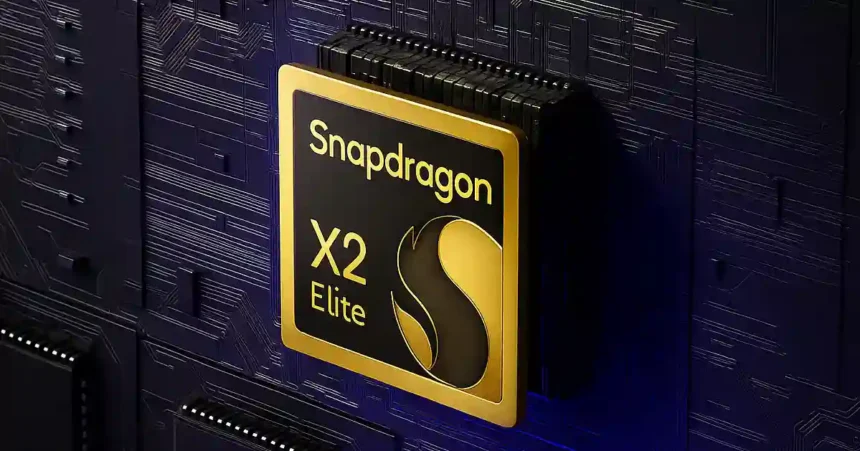
Qualcomm is bringing Android to its laptop-class Snapdragon X chips. That is a big shift, not because Android cannot run on ARM, it already does, but because these PC-focused chips were built for Windows first. Now Qualcomm is laying the groundwork so Android can run properly with the right drivers, power profiles, and graphics support. In plain terms, this opens the door for real Android laptops powered by the same efficient silicon that has made recent Windows on ARM machines fast, cool, and quiet.
Snapdragon X is Qualcomm’s family of ARM-based computer chips made for thin and light laptops. The platform combines high-performance CPU cores, an Adreno GPU, and a strong NPU for on-device AI. Qualcomm’s official product pages describe the line as its PC platform built for long battery life and instant-on behavior, the kind of stuff phones already do well. Android, according to Google’s own developer docs, runs natively on ARM64. So the two already speak the same language. What Qualcomm is doing now is the part that matters for users: enabling clean Android builds that make full use of the chip’s graphics, audio, wireless, and power features.
What does that mean in practice? Android laptops with Snapdragon X chips could boot in a few seconds, wake instantly, and sip power when idle. They could run phone and tablet apps natively, while giving you a bigger screen, a keyboard, and a trackpad. The NPU on Snapdragon X could also power offline AI features, like smarter text tools or photo search, without sending your data to the cloud. If Qualcomm nails GPU drivers and Vulkan support, you get smoother games and better video editing than old budget laptops can manage. The idea is simple, and honestly pretty appealing: phone-like efficiency with laptop comfort.
There are a few things that need to be right from day one. Android needs a desktop-friendly layout that feels natural on a 13 to 15 inch screen. That means good windowing, easy file management, and shortcuts that actually make sense on a keyboard. App scaling has to be clean, and apps should respect mouse hover, right click, and drag and drop. We have seen parts of this improve over the last few Android releases, and Chromebooks have been running Android apps for years, so the building blocks exist. The difference here is performance. A Snapdragon X Android laptop would not be leaning on a lightweight phone chip. It would be running on a chip made for PCs.
Who benefits first? Students, developers who want a simple Android environment, and anyone who lives in Google services might love these machines. If you mostly write, browse, stream, and chat, a Snapdragon X Android laptop could be all you need. For folks who rely on full desktop apps, Windows on ARM still makes sense. It can run native ARM Windows software and, increasingly, emulated x86 apps. In other words, Windows on ARM and Android laptops can live side by side. Pick Android for simplicity and battery life, pick Windows if you need classic desktop software. If manufacturers offer both on similar hardware, that choice gets easy to make.
A few practical questions I will be watching: will OEMs offer dual-boot options or an easy way to flash between Windows and Android on the same Snapdragon X machine, will Google certify a full Play Store experience on these laptops, and will we get a polished desktop mode that does not feel experimental. These are solvable problems. Qualcomm already ships Android phones with top-tier graphics and audio, so the drivers exist. Android already supports keyboards, mice, and large screens. The last mile is integration. If the experience feels smooth, people will notice.
If you are a buyer, here is what to look for once these start to appear:
- Battery life claims with real numbers at 150 to 200 nits of brightness
- A clean Android desktop mode with resizable windows and shortcut support
- Play Store and app certification for large screens
- GPU features like Vulkan versions and external display support
- Security and update plans, ideally multi-year with monthly patches
I like where this is headed. Laptops should be quiet, quick to wake, and last all day without stress. Snapdragon X Android laptops, if executed well, can deliver that. And giving people more choice is good. Some will want Windows on ARM for legacy work, others will want Android for speed and simplicity. Either way, Qualcomm pushing Android support on Snapdragon X raises the floor for thin and light machines. That is a win for everyone.
Source: @Jukanlosreve on X