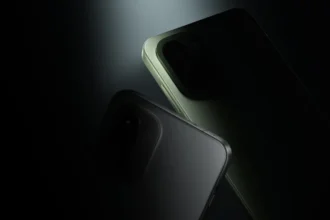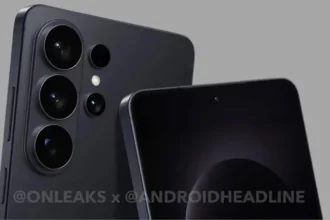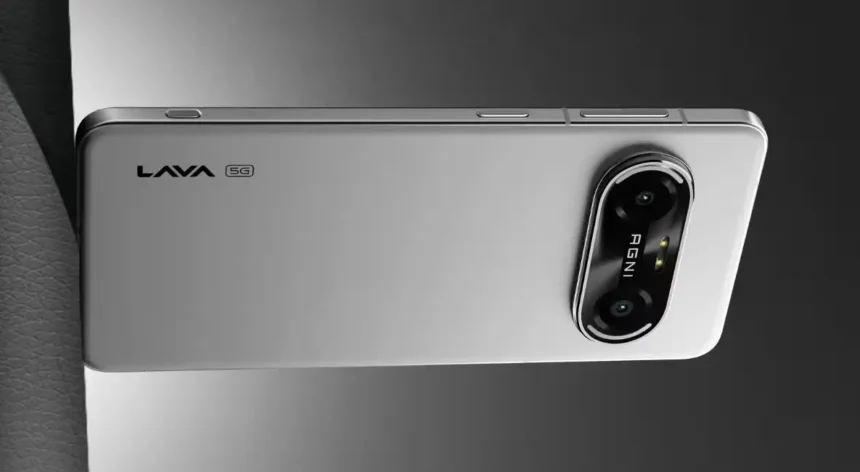
Lava isn’t shy about the Agni 4. With the launch locked for November 20, the company has rolled out fresh teasers confirming a lot of hardware, and it’s looking solid so far. Think clean design, fast screen, and a chipset that should keep everyday use snappy without stress.
Lava Agni 4 specs
Here’s what Lava has publicly shared in official teasers. The Agni 4 gets a 6.67-inch AMOLED with super thin 1.15 mm bezels on all sides, a 120 Hz refresh rate, and a claimed 2,400 nits peak brightness. That “1.5K” resolution sits neatly between Full HD+ and QHD+, which should mean crisp text and smoother scrolling without killing battery. The fingerprint reader is in-display, as you’d expect at this level.
The body uses a metal frame and a glass back, and the rear secondary screen from the Agni 3 is gone. Honestly, that’s a sensible call. Fewer break points, cleaner look. Around the camera module, there’s an LED light strip. Brands often use these for notifications or as a soft fill for photos, and it also just looks cool in a subtle way when it lights up.
Lava says the phone runs on MediaTek’s Dimensity 8350, paired with 8 GB LPDDR5X RAM and up to 256 GB UFS 4.0 storage. That combo should feel fast for apps, photos, and gaming at medium-high settings. Connectivity is stacked too: support for 14 5G bands, Wi‑Fi 6E, Bluetooth 5.4, plus an IR blaster for quick TV or AC control. Small thing, useful every day.
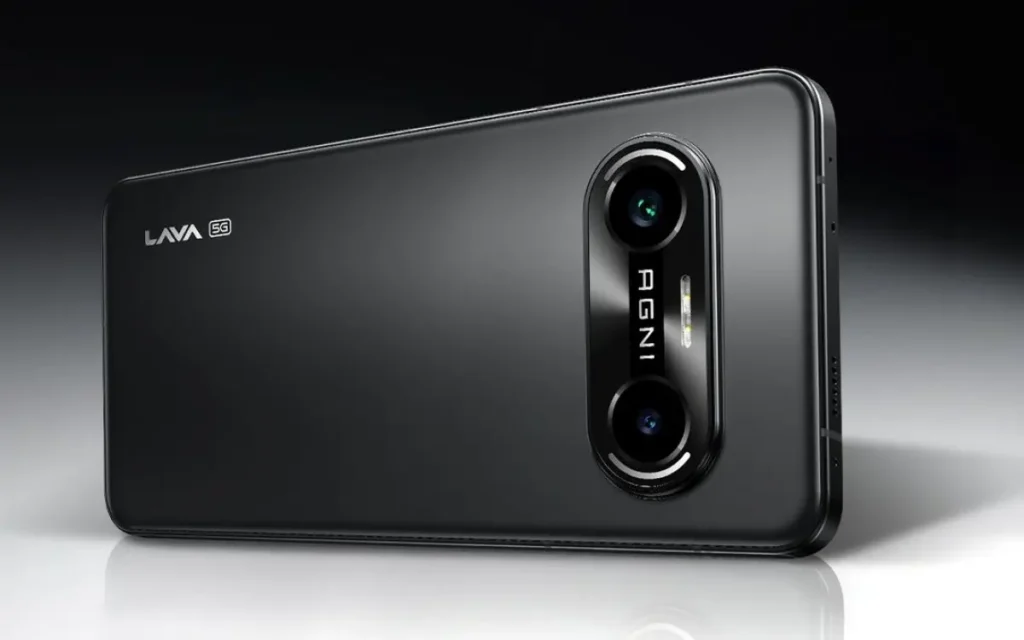
Cameras are straightforward and, if tuned right, enough for most people. On the back, a 50 MP main camera with OIS takes care of everyday shots and night photos, alongside an 8 MP ultrawide for group pics and landscapes. On the front, there’s a 50 MP selfie camera. Resolution isn’t everything, but it’s nice to see optical stabilization on the main sensor here.
Software details are still under wraps. Lava hasn’t said which Android version ships on day one. The one clear promise Lava has made on software: expect three major Android updates, and security support stretching four full years. That’s the kind of promise that makes buyers relax a bit, because long-term support matters more than one flashy spec.
Battery is the one piece Lava hasn’t formally posted yet. Multiple reports point to a 7,000 mAh cell with 66 W wired charging. Treat that as unconfirmed until launch day, but if it lands, expect two-day stamina for most people. Big battery and a bright 120 Hz display can live together if the software is tuned well. We’ll see.
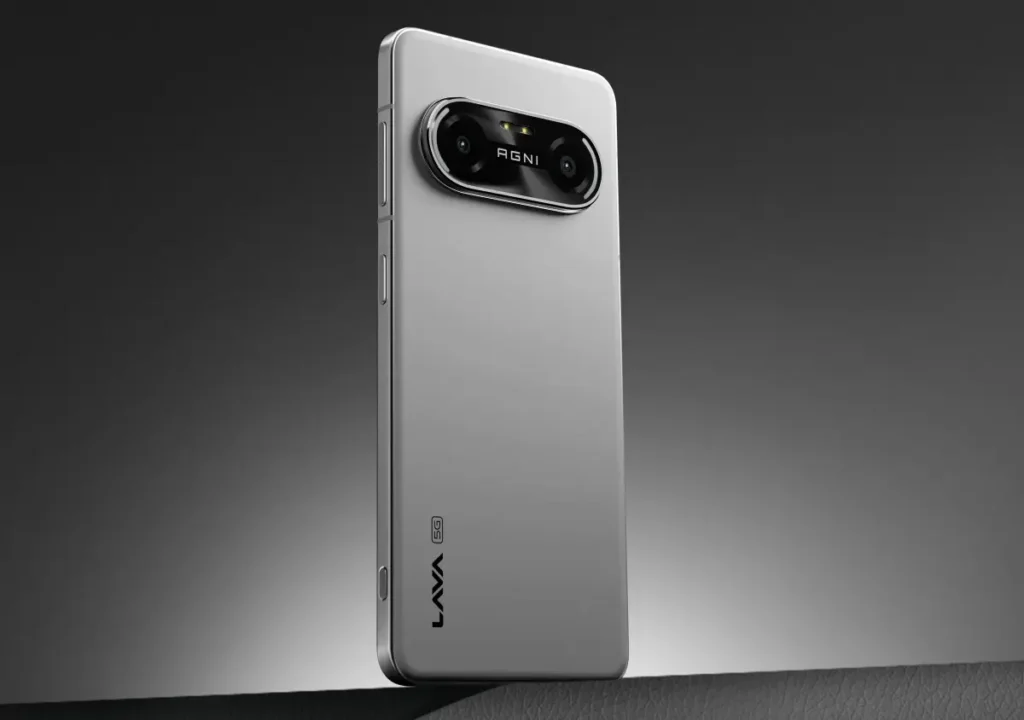
A few quick observations after looking through the official materials. The 1.15 mm bezels are very slim for this segment and should make the phone feel more modern. UFS 4.0 storage is speedy, which helps with app installs and big game loads. And keeping an IR blaster in 2025 is a nice nod to people who like their phone to be a handy remote. Nothing wild here, just a neat set of choices that add up.
What’s missing now are price, full battery confirmation, and the exact Android version at launch. Those pieces will decide how competitive the Agni 4 feels against other mid-range phones this season. For now, the picture looks promising, and the essentials are in place.
Confirmed highlights from Lava’s official teasers:
- 6.67-inch 1.5K AMOLED, 120 Hz, up to 2,400 nits, in-display fingerprint
- Metal frame, glass back, LED light strip around the camera, no rear screen this time
- MediaTek Dimensity 8350, 8 GB LPDDR5X, up to 256 GB UFS 4.0
- 50 MP main camera with OIS + 8 MP ultrawide, 50 MP selfie
- 14 5G bands, Wi‑Fi 6E, Bluetooth 5.4, IR blaster
- Three Android OS upgrades, four years of security updates
- Launch date: November 20
If Lava nails price and camera tuning, this could be the easy pick for folks who want a bright 1.5K AMOLED 120 Hz display without spending flagship money.
Also Read | Lava Shark 2 Launches in India: 120Hz Display, 5000mAh, Android 15 for ₹7,499