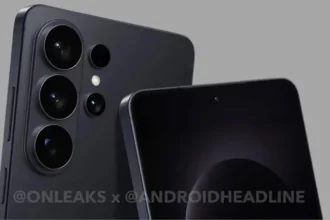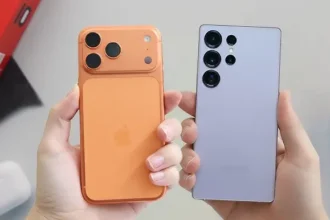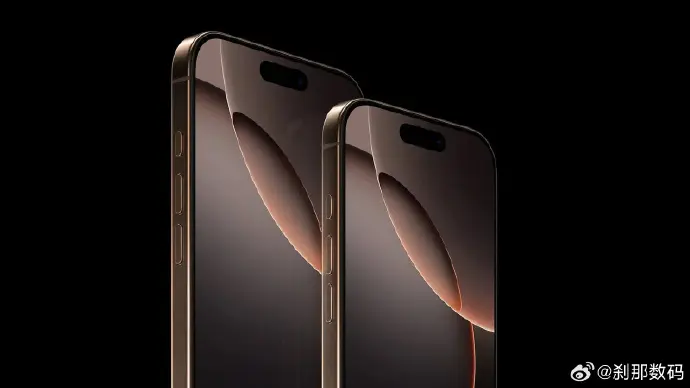
A new report out of China claims Apple is planning a buttonless iPhone 20, with touch‑sensitive areas that feel like real clicks thanks to haptic feedback. The idea is simple to picture. No moving buttons at all. You tap where the button would be, the phone buzzes right under your finger, and it feels like a press. Clean look, fewer parts to break, better sealing against dust and water. It sounds slick.
Here is the status today. Apple has not announced an iPhone 20, and it has not said it is removing physical buttons. As of October 29, 2025, there is no official confirmation. Also, the timing is a little fuzzy. iPhone releases are yearly, so iPhone 20 most likely lines up with 2028 unless Apple jumps the name to mark the iPhone’s 20th anniversary in 2027. That naming move could happen, sure, but it would be a choice, not a given.
Is a buttonless iPhone even realistic? Yes, technically it is. Apple already ships “solid‑state” controls. The iPhone 7 introduced a solid‑state Home button that clicked through the Taptic Engine, not a moving part (Apple Newsroom). MacBook trackpads do the same. They do not actually move, yet your finger swears they do. Apple also builds strong accessibility tools like AssistiveTouch for on‑screen buttons and system gestures for things like force restart and Emergency SOS (Apple Support). So the company has the pieces.
The rumor says the iPhone 20 will use capacitive, solid‑state areas for power and volume. That would give localized vibration feedback right where you press. The perks are easy to like. Fewer openings, better durability, one smooth rail that looks tidy, and a consistent feel whether you click one time or a hundred. It could also free Apple to fine‑tune how a “button” behaves with software. Maybe a light tap turns the volume down a notch, a longer press brings up a slider, and a double tap triggers a quick action. Small stuff, but it makes daily use faster.
There are trade‑offs to solve. Gloves and wet fingers can confuse capacitive sensors. Cases need exact cutouts or smart pass‑throughs, and not every cheap case maker gets that right. Physical feedback when the phone is off or fully dead is tricky because you need some power for haptics to work. Apple would also need clear backup moves for force restart, recovery, and SOS that work even if software is frozen. The good news, Apple already offers alternative controls in software and hardware, and it has a habit of adding new safety combos when it changes buttons. Still, it must be rock solid before ditching real keys.
One more bit of context helps. Apple has slowly reduced moving parts for years. The Home button went solid‑state, the classic ring/silent switch gave way to a configurable Action button on higher‑end models, and haptics are a core part of iOS. A “buttonless iPhone” feels like a natural next step, just not one Apple will rush. If it lands on a big anniversary model, the story writes itself. If it needs more time, Apple will wait. That is how the company tends to roll.
If you care about the rumor score right now, place it in the “plausible, but unconfirmed” bucket. Watch for supply chain hints like a jump in specialized haptic component orders, updated CAD files with flat rails and no physical cutouts, and developer documentation that mentions new button behaviors. Those are the usual early signs that something real is coming.
My quick take. A clean, buttonless iPhone 20 would look great and could feel even better if the haptics are tuned just right. The win is not only style. It is durability, water resistance, and smarter controls that change based on what you are doing. The risks are all about edge cases, like gloves in winter or a frozen device when you really need a hard reset. Apple can handle those, though it takes careful design. Until Apple says the word, treat this as a well‑aimed rumor, not a promise.
Also Read | iPhone 18 gets 12GB LPDDR5X RAM for on‑device AI
Source: Setsuna Digital