LG Display has been working to convince Apple to bring Tandem OLED technology from the iPad Pro to future iPhones. The Korean display maker keeps pushing Apple to adopt this advanced screen tech. Latest reports suggest this could actually happen in 2028 iPhone models.
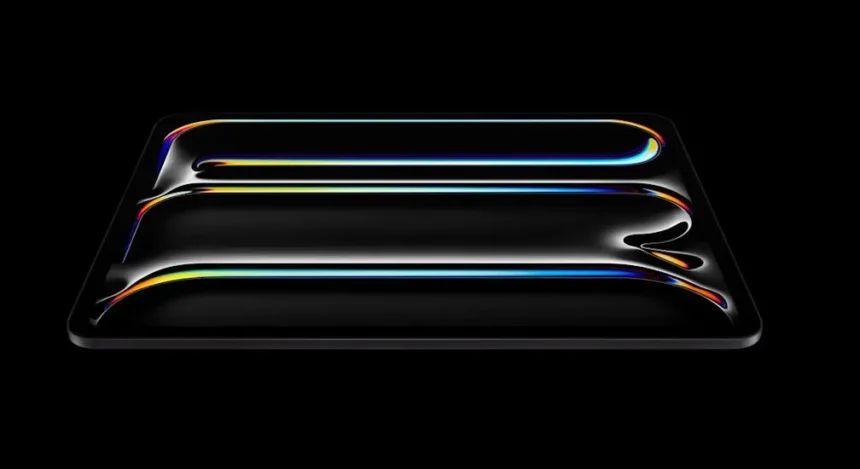
The current iPad Pro already uses Tandem OLED displays from LG. The display uses two OLED layers placed one over the other. This makes them brighter while using less power and lasting longer than regular OLED displays. Pretty clever engineering that fixes some major problems with traditional OLED screens.
Apple hasn’t said yes yet. But LG isn’t backing down. The company owns 348 patents for Tandem OLED technology in the United States. That’s a strong position in this market. If Apple picks this tech for the 2028 iPhone lineup, LG could become the main supplier or grab a much bigger chunk of the market from Samsung Display.
For iPhones, Apple might do things differently than what’s in iPads. Previous reports say Apple likes the idea of “simplified tandem” design. Only the blue subpixels would get two layers. Apple’s plan keeps the red and green subpixels on a single layer. This costs less while still fixing the main issue of blue subpixel degradation that hurts OLED displays over time.
We’re talking about the iPhone 20 series here, assuming Apple sticks to its current naming pattern. That’s still several years out. Gives Apple plenty of time to test everything properly.
LG has already shown this tech works great in other products. The iPad Pro’s Ultra Retina XDR display hits incredible brightness levels – up to 1,600 nits peak brightness for HDR content. Color accuracy and contrast stay excellent too. Same technology shows up in Dell laptops and gaming monitors.
Apple usually takes its sweet time with new display tech. They put everything through extensive testing before rolling it out across product lines. The company looks at battery life, manufacturing costs, and overall user experience when making these choices.
LG’s push makes complete business sense. Getting Tandem OLED into iPhones would be huge for the company. Think about how many iPhones Apple sells every year. It would also help establish this technology as standard in premium smartphones.
Right now, only a few devices use Tandem OLED screens. Besides the iPad Pro, the Honor Magic 6 RSR was one of the first smartphones with this tech. But if Apple adopts it for iPhones, other manufacturers would likely follow suit.
What Users Get
The benefits are obvious – brighter screens, better power efficiency, longer display lifespan. For regular people, this means phones that stay bright outdoors, last longer on a charge, and don’t develop burn-in issues as quickly.
Nobody knows if Apple will actually make this jump. The company hasn’t announced anything official. They’re famous for keeping display plans secret until launch day. But with LG continuing to push and the benefits becoming more clear, 2028 could be when Tandem OLED finally comes to iPhones.
The technology keeps improving too. LG recently verified commercialization of blue phosphorescent OLED panels, which could make these displays even more efficient. Combined with Tandem OLED architecture, future iPhone screens might be incredibly bright and power-efficient.
Whether this happens or not depends on Apple’s timeline and priorities. But the pieces are definitely falling into place for a major display upgrade in future iPhones.
Also Read | Apple Confirms iPhone 17 Launch: September 9th Event Is Official