ChatGPT-5 review: OpenAI has officially launched GPT-5, its most advanced ChatGPT model so far, and it’s rolling out to everyone, including free users with limits, while paid plans get higher caps and Pro options. The company says GPT-5 is smarter across fields like coding, math, law, finance, writing, health, and more, with fewer made‑up answers and stronger safety than before. There are multiple versions: GPT‑5, GPT‑5 mini, and GPT‑5 nano for the API, plus a chat‑tuned GPT‑5 inside ChatGPT that uses a real‑time router and a deeper ‘thinking’ mode—each optimized for different speed, cost, and depth needs.
ChatGPT-5 Review Highlights
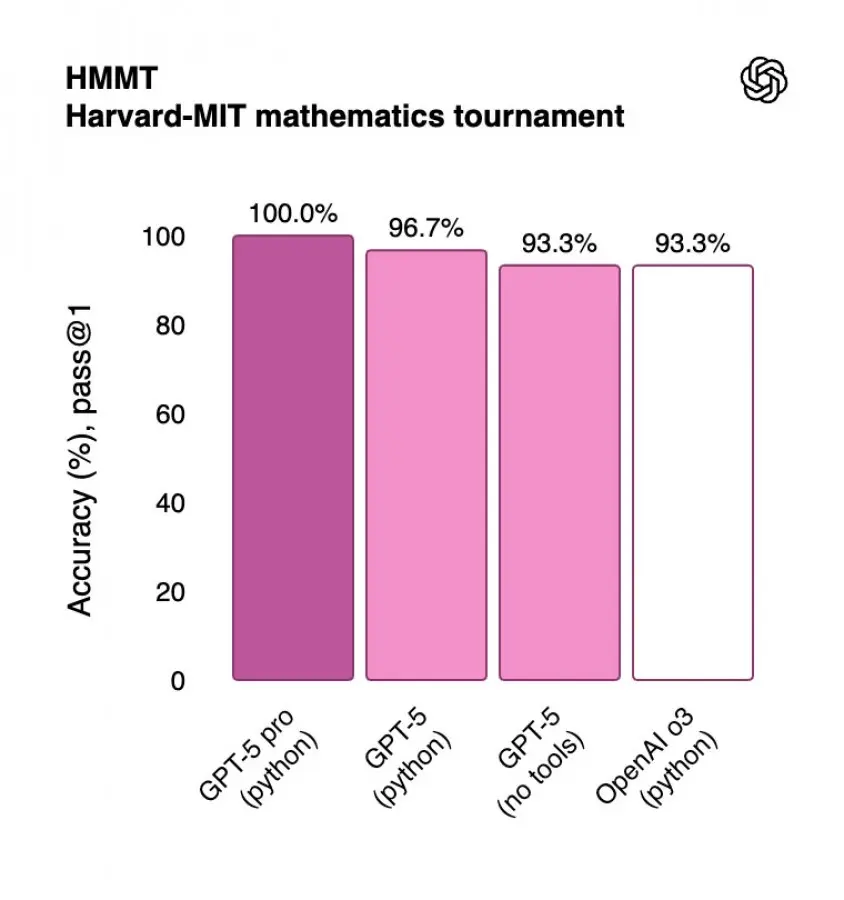
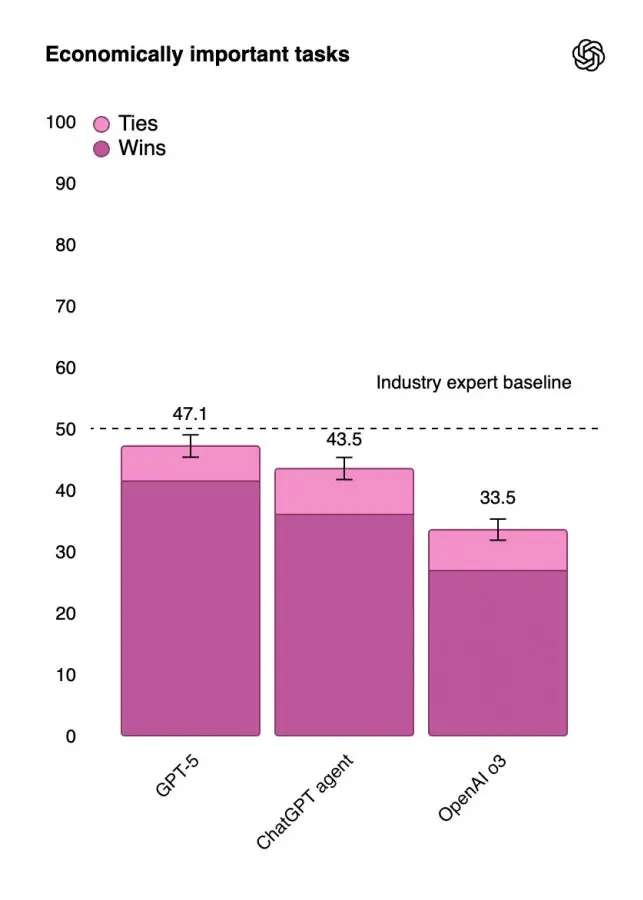
- Smarter replies across many subjects, with fewer mistakes and clearer limits when it can’t help.
- Better at real coding tasks and multi‑step jobs that need several tools chained together.
- Available to all ChatGPT users, with higher limits for paid tiers and a Pro path for heavier workloads.
- Comes in several sizes so apps and teams can pick faster or deeper reasoning as needed.
What’s new?
Here’s what changed and why it matters
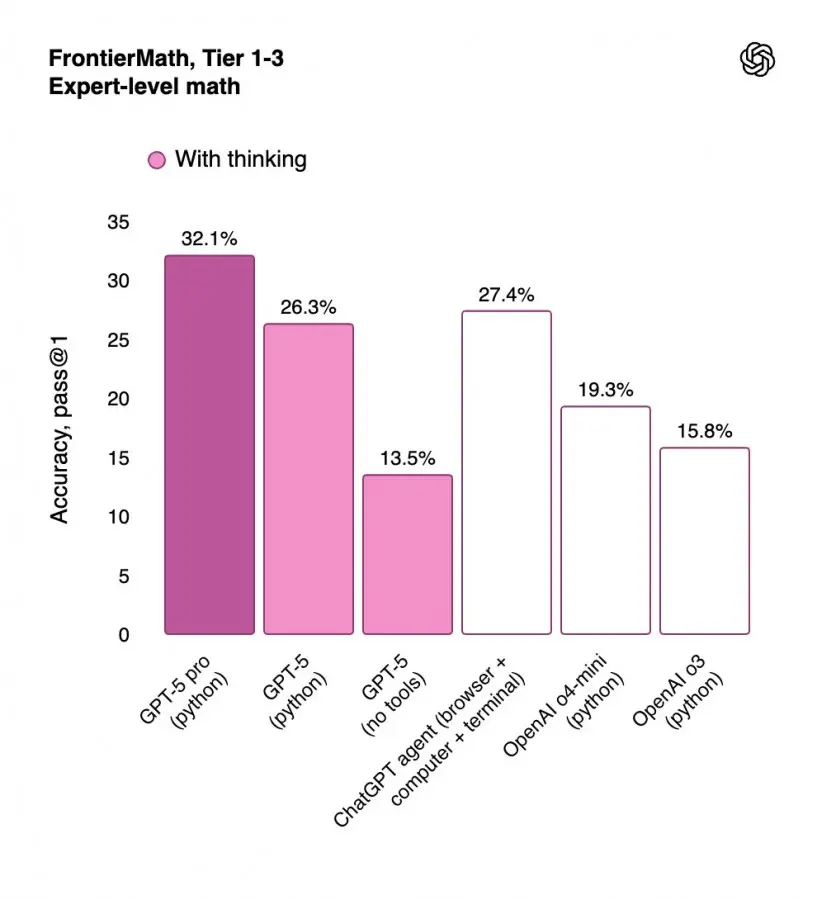
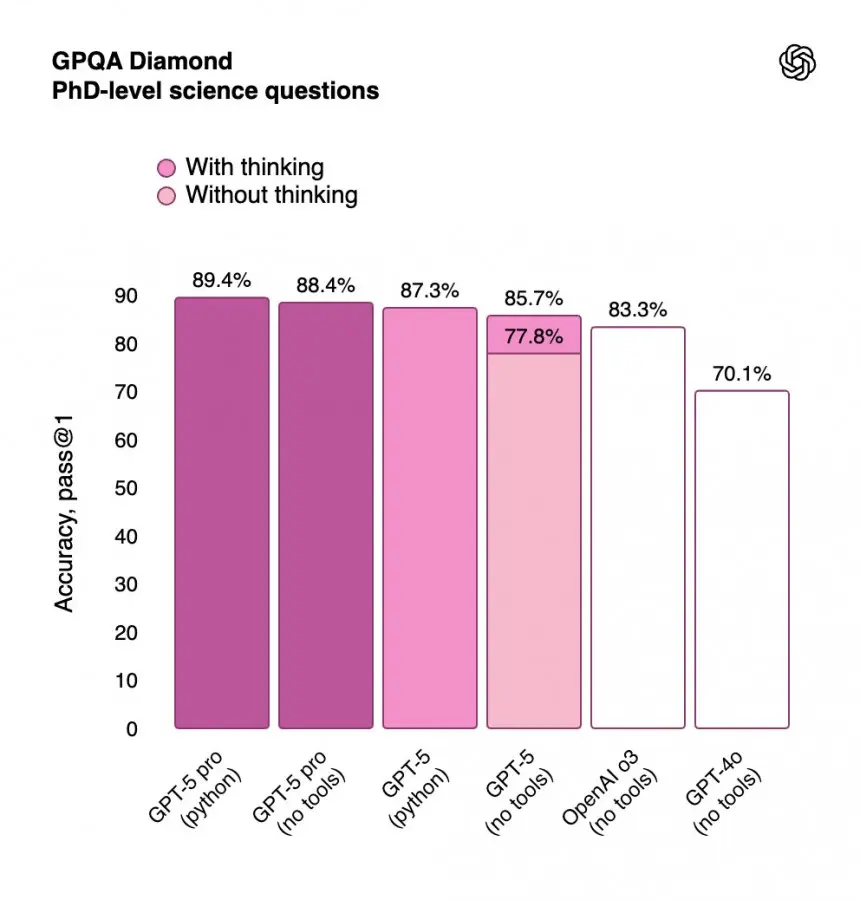
- Deeper reasoning: GPT‑5 adds a “thinking” model for tougher problems, while a smart router picks the best model style for each chat so responses feel both quick and accurate.
- Stronger tools and agents: It can call tools in parallel, follow longer instructions, and handle agent‑like workflows better than past versions, which helps with real projects and debugging loops.
- Coding gains: OpenAI calls GPT‑5 its strongest coding model, with better results on complex front‑end tasks and large codebases, and records on partner evals in tools like Copilot and Cursor.
- Safety and accuracy: The model aims to reduce hallucinations and provide “safe completions,” which means it answers within guardrails and states limits more plainly.
Why this matters: In day‑to‑day work, these changes mean fewer wrong turns, better follow‑through on multi‑step tasks, and cleaner, more helpful answers when building software or analyzing tricky problems.
Variants and how to choose
- GPT‑5: best depth and reasoning for tough tasks, including complex coding and planning.
- GPT‑5 mini: faster and cheaper for well‑defined tasks where speed matters.
- GPT‑5 nano: the quickest, tuned for very low latency and cost‑sensitive use cases.
- GPT‑5 chat: the model flavor used in ChatGPT’s interface, optimized for general conversations.
Tip: If an app needs fast answers (like support replies), mini or nano can help; if it needs deep thinking (like refactoring code or multi‑step analysis), go with full GPT‑5.
Availability and access
GPT‑5 is live across ChatGPT with usage limits for free users, and higher limits plus Pro for paid users; it’s also in the API with GPT‑5, GPT‑5 mini, and GPT‑5 nano models available for developers today. Microsoft says GPT‑5 is landing across its platforms too, including 365 Copilot and Azure AI Foundry, which helps teams adopt it inside existing tools.
Real‑world gains you’ll notice
- Coding: Better fixes and cleaner patches on real bugs, stronger front‑end generation, and sturdier multi‑file reasoning, which shrinks the back‑and‑forth cycle with your IDE or repo.
- Research and writing: More dependable long‑form answers, tighter citations when tools are enabled, and improved handling of multi‑part prompts.
- Workflows: Agents can chain more tool calls and follow longer instructions, which helps with tasks like data pulls, transforms, and summary reports in one go.
- Reliability: Fewer fabricated facts and clearer safety behavior mean less time double‑checking basic outputs.
Compared with earlier models
Compared to GPT‑4‑era models, GPT‑5 focuses on deeper reasoning in one system, stronger coding, and better tool use, so users don’t need to swap models for different tasks as often. OpenAI also highlights improved accuracy and safety, which was a common request from developers and enterprise teams.
Specs and model options (developer view)
- Model family: gpt‑5, gpt‑5‑mini, gpt‑5‑nano, and gpt‑5‑chat, with API access for the first three and chat use of the last one.
- API features: reasoning controls, verbosity controls, custom tools, parallel tool calling, streaming, structured outputs, prompt caching, and batch options.
- Platform reach: OpenAI API, ChatGPT, and Microsoft platforms like Azure AI Foundry for managed access.
Simple specs table
Pricing and rollout notes
OpenAI outlines GPT‑5, GPT‑5 mini, and GPT‑5 nano in the API with pricing tiers and support for both Chat Completions and the newer Responses API; the chat‑optimized flavor powers ChatGPT’s interface and routing. The public rollout started August 7, 2025, and availability expands across user tiers and enterprise channels, including Microsoft integrations.
Bottom line
If work needs thoughtful steps, tool use, and fewer errors, GPT‑5 is a clear upgrade; it’s faster to trust, better at coding, and easier to run at the right depth using the new model options and router behavior. Free users get a taste with limits, while Plus, Pro, and enterprise teams can push bigger jobs and integrate it into tools they already use.
Also Read | Claude Opus 4.1: Smarter, Faster, and More Helpful Than Ever
Source: openai.com