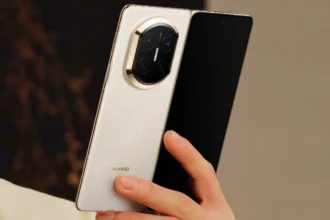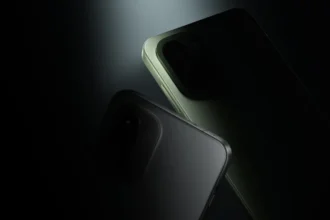
If photos matter most, this phone is a bit of a dream — the kind that makes you want to stop and shoot random street corners just to see what it can do. It looks fancy, feels premium, and yes, the camera bump is massive (you’ll feel it), but there’s a reason for that giant triangle. The catch? It’s pricey, uses mid-tier performance silicon, and still misses a few modern must-haves like 5G on global units and full Google apps support in many regions.
Quick take: stunning camera system, solid battery life, beautiful screen; everyday speed is fine, not blazing; software situation depends on region; value is… complicated.
Huawei Pura 80 Ultra: Design & Build
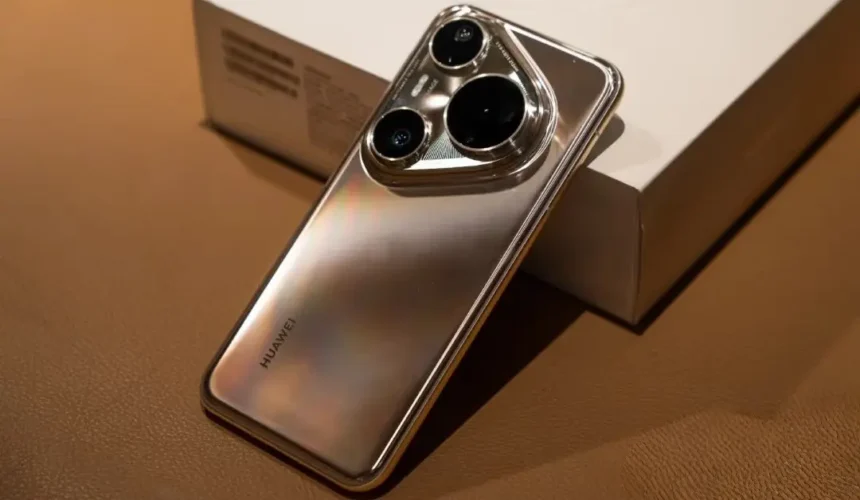
This is a bold-looking phone with a curvy glass body, IP68/IP69 protection, and Huawei’s tough Kunlun glass, so it feels premium in hand. It’s a bit slippery and on the heavy side, mostly because of that extra-large triangular camera island that you will definitely notice in pockets and when picking it off a flat desk. The fit and finish are excellent, edges glide smoothly, and the Prestige Gold color shifts subtly under light — elegant without screaming for attention.
Honestly, not a one-handed phone, but it does feel special compared to generic slabs.
Huawei Pura 80 Ultra: Display
A 6.8-inch LTPO OLED with 1276×2848 resolution and up to 120Hz refresh rate makes everything look sharp and fluid. Indoors, it looks gorgeous; outdoors, it’s bright enough, though auto brightness topped at 1,029 nits in tests — lower than some rivals, so harsh noon sun can wash it a bit. Scrolling feels smooth, especially in the High mode; Dynamic mode often hovers between 60/90/120Hz in practice. Streaming has a limitation: Widevine L3 limits Netflix to SD (some apps hit 1080p/4K, but HDR wasn’t available in testing).
First impressions against a close competitor: the screen is smooth and vibrant, though it falls short of the peak brightness you get on premium Galaxy and iPhone displays in bright sunlight
Huawei Pura 80 Ultra: Performance
Everyday stuff like WhatsApp, Instagram, Chrome tabs, email, maps runs smoothly, and app switching is responsive enough for power users who juggle tasks. Heavy gaming isn’t its party trick; the Kirin 9020 sits in the mid-range class, and you’ll feel it in demanding titles and long play sessions thanks to thermals and GPU limits. If raw speed is a top priority, there are faster phones at the same price bracket — but for typical daily use, it’s perfectly fine.
Huawei Pura 80 Ultra review: Camera










Rear camera
- Daylight photos look crisp with rich detail and balanced colors from the new 1-inch-class main sensor, which helps with natural background blur and lovely contrast.
- Skin tones look pleasing rather than plasticky, and portraits have confident edge detection — hair and glasses are handled nicely most of the time.
- Low light is a strength: shadows keep texture, highlights aren’t blown out, and the main cam holds onto detail without turning scenes into watercolor mush.
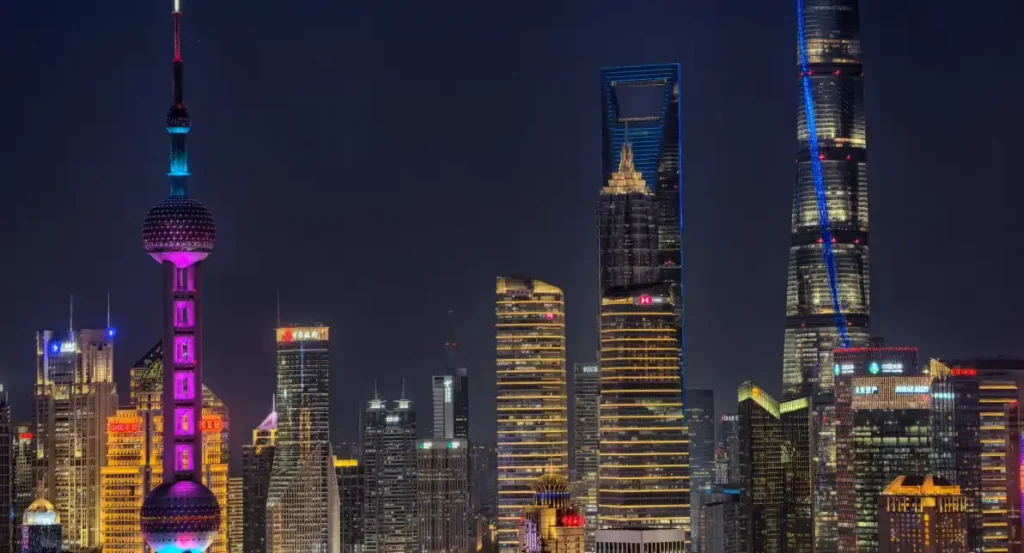
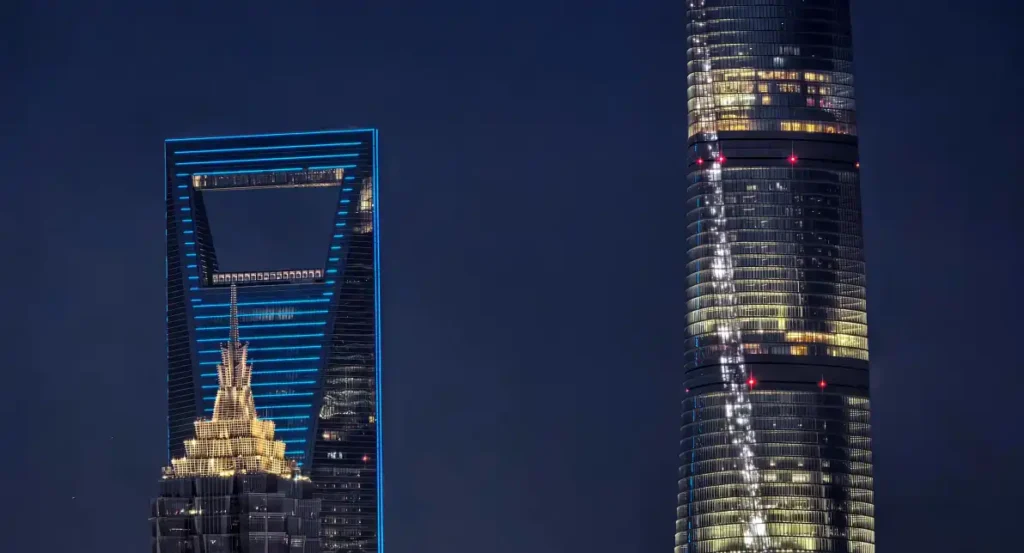
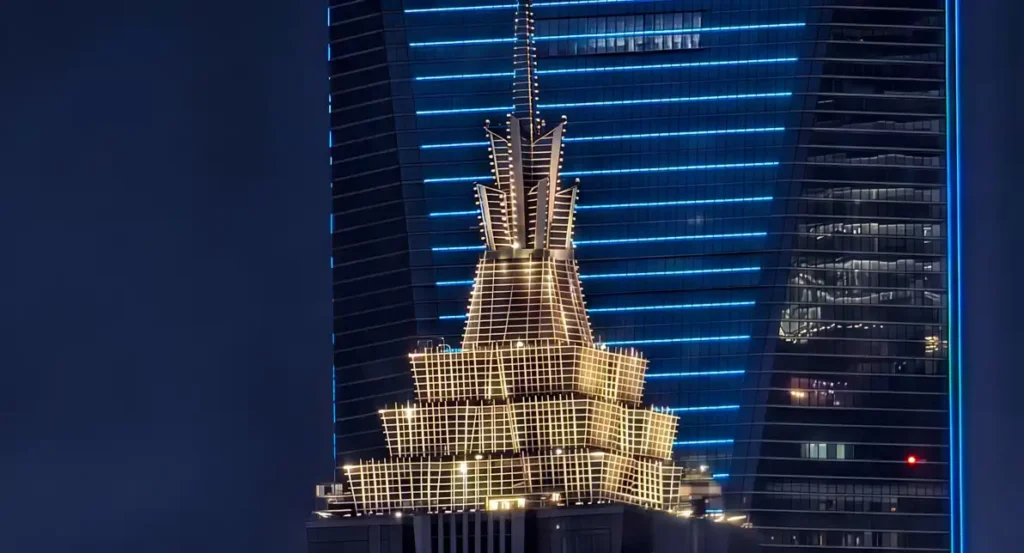
- The real showpiece is telephoto: physical switching between 3.7x and a long 10x periscope gives you reach with impressive clarity for cityscapes, concerts, and travel shots that would stump standard zooms.
- The ultrawide is high-res and useful for architecture and group shots, staying consistent with color from the main cam.
Camera: Main: 50MP, big 1-inch-type sensor with OIS and variable aperture — sharp, clean low light, natural blur. 3.7x tele: 50MP with sensor-shift OIS — crisp mid-zoom and portraits. 9.4x periscope: 12.5MP with sensor-shift OIS — real reach with usable 10x shots. Ultrawide: 40MP with autofocus — detailed wide scenes and close-ups.
Video: 4K, 1080p, 1080p@960fps (interpolated), HDR Vivid, gyro-EIS, OIS
Front camera
- Selfies outdoors are sharp and flattering, with good exposure; indoors, detail dips a bit and smoothing creeps in, especially in low light or soft lamps.
- Video calls are stable and clear enough for daily use, with decent face tone even under mixed lighting.
Camera: 13 MP, f/2.0, (ultrawide), AF.
Video: 4K, 1080p, 1080p@240fps, HDR Vivid, gyro-EIS.
Summary: If photography is the reason to buy a phone, this one earns it.
Huawei Pura 80 Ultra: Battery
It lasts comfortably through a full day — even with maps, Spotify, camera use, and social apps mixed in — thanks to a 5,700mAh cell in China or 5,170mAh outside China. Charging is fast: 100W wired and up to 80W wireless, so a short top-up before leaving home gets plenty of juice back quickly. In practical terms, a 20-minute plug-in can take you from low to the safe middle, enough for the rest of the afternoon.
Huawei Pura 80 Ultra: Software
Region matters. In global markets, access to full Google Mobile Services is still restricted, so you’ll rely on Huawei’s AppGallery and workarounds like GBox for certain apps, which can affect updates and streaming quality flags. HarmonyOS/EMUI looks refined and smooth, but buyers who depend on Google apps should plan setup time or consider alternatives. Huawei’s optimization is solid, though — animations are slick, and the UI feels polished.
Huawei Pura 80 Ultra: Audio & Haptics
Stereo speakers are loud and clear with well-balanced frequencies — great for YouTube and casual Netflix nights without a Bluetooth speaker. Haptics feel precise and premium, adding a satisfying click to typing and navigation rather than a buzzy shake.
Huawei Pura 80 Ultra: Specs At a Glance
Huawei Pura 80 Ultra Price & Availability
Rival Snapshot
Samsung’s and Google’s top flagships feel faster and are easier to live with in Western markets, but they can’t match Huawei’s long-zoom magic shot-for-shot at 10x in good light.
Final Verdict
Buy it for the cameras and the overall premium experience — you’ll get photos that make friends ask what you’re shooting with. Skip it if 5G, Google apps, and top-tier gaming performance are non-negotiable. It’s a specialist’s phone: stunning for creators and photo lovers who are okay with software workarounds.
Also Read | Oppo Find X8 Ultra Review: A Flagship That’s Seriously Hard to Ignore